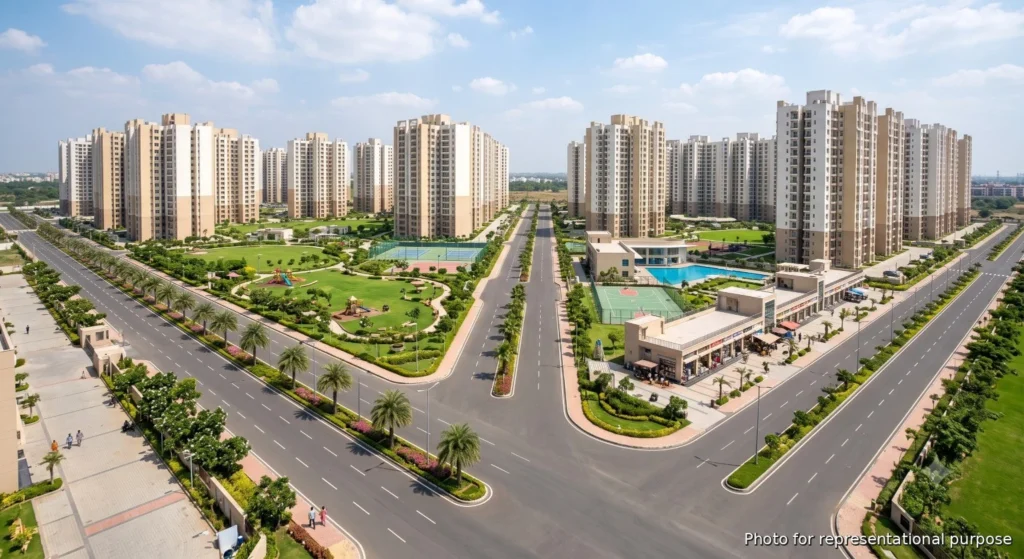
A low price tag is a poor reason to buy a home in a fast-growing city, top real estate developers have cautioned. They warn that property values in such places may not climb as promised if planned infrastructure runs late or new housing supply outpaces demand.
The advice comes as more homebuyers look beyond the big metros to emerging cities and new urban corridors, drawn by lower prices and the hope of long-term gains. Developers say five things decide whether such a purchase pays off: connectivity, the builder’s track record, nearby schools and hospitals, basic civic services, and genuine long-term demand.
“An attractive price should never be the sole reason for choosing a property,” said Yash Miglani, Managing Director, Migsun Group. He named the developer’s past delivery record, legal approvals, construction standards and openness in paperwork as checks no buyer should skip. “These factors help reduce risks and provide greater clarity about the investment,” he said.
Built roads vs promised roads
Roads, highways, public transport and distance to job hubs all shape how much demand a location sees over time. But buyers need to separate what is already running from what is still on paper or under construction.
“Buyers should evaluate how well a location connects with workplaces, educational institutions, healthcare facilities and major commercial centres,” said Harvinder Singh Sikka, Chairman, Sikka Group. “Proposed infrastructure can create future opportunities, but investment decisions should be based on verified project timelines and the current accessibility of the location.”
Good connectivity alone does not make a location work for homebuyers. Everyday services and a functioning neighbourhood matter just as much.
Check the builder, then check RERA
In emerging markets, several projects often launch at once. Buyers should look at each developer’s delivery history, build quality, financial strength and how well it maintains projects after handing over possession.
They should also confirm the project is registered with the state real estate regulator, and check its approvals, land title papers and the terms of the sale agreement. The project’s registration and disclosures can be checked on the state’s RERA portal.
Schools, hospitals and daily needs
Schools, hospitals, shopping centres, grocery stores, parks and recreational spaces decide whether a place is fit to live in for the long haul. In many new markets, large housing projects come up first while these facilities take time to follow.
For families moving in, having essentials close by means easier daily life and shorter commutes. For investors, a settled neighbourhood can mean steady rental demand and better resale appeal.
“Homebuyers are increasingly evaluating the complete residential ecosystem rather than looking at the apartment or plot in isolation,” said Sunil Goel, Managing Director, Numax City. “Access to schools, healthcare, shopping facilities, green spaces and other daily necessities can influence both the living experience and the long-term appeal of a residential development.”
Water, power and the bills after purchase
Buyers should ask whether housing growth in an area is backed by jobs, commercial activity, civic infrastructure and a sound urban development plan. Supply of water and electricity, along with sewage, drainage and waste management, needs close checking.
They should also work out the running costs of owning a home: maintenance charges, property tax, loan repayments and other expenses. Developers advised against trusting projected price gains or promotional claims alone.
“An emerging real estate market should be assessed through the lens of long-term usability and sustainable demand,” said Manoj Kumar Garg, Chairman, Northwind Estates. “Buyers who consider infrastructure, civic amenities, neighbourhood development and the overall quality of life are better positioned to evaluate whether a property meets their personal requirements and investment objectives.”
As India’s cities keep spreading outward, emerging locations will stay on buyers’ shortlists. But a sound decision weighs price against legal compliance, infrastructure that actually exists, and how liveable the area will be. In the end, a home’s real worth lies not only in what it costs but in the life it offers and the neighbourhood taking shape around it.